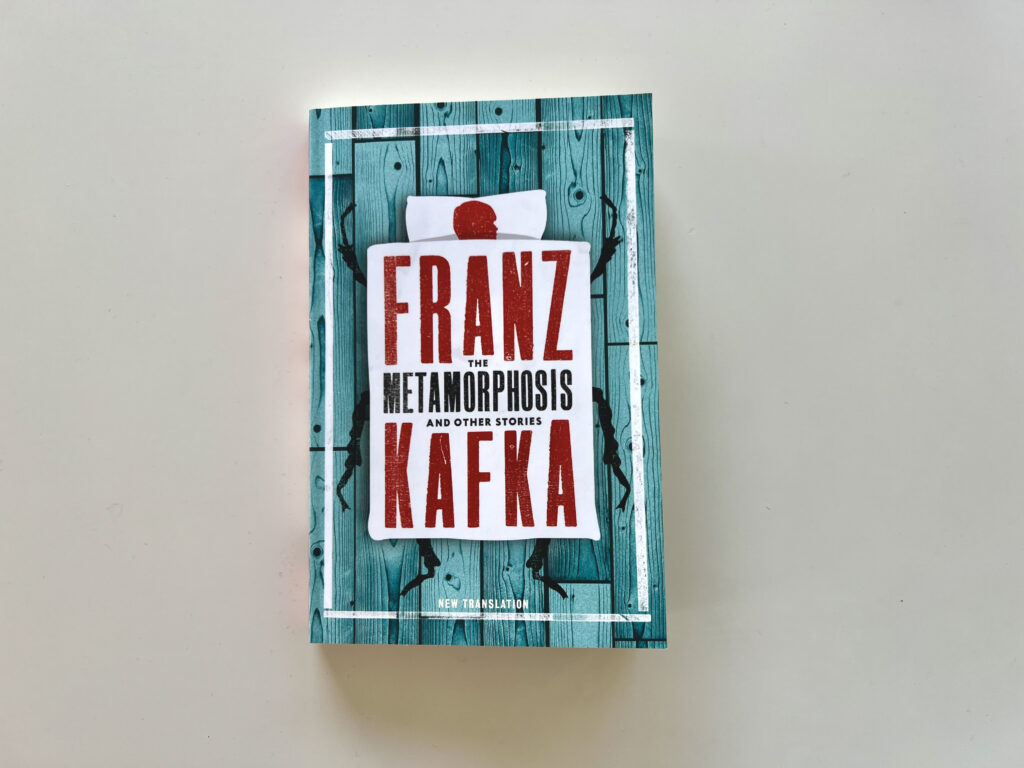
Kafka is known for surfacing absurdity and surrealism in his storytelling. In The Metamorphosis, the main character is a young man who works a good job to provide for his family. He pays for their home to provide his younger sister with a protected lifestyle and for his parents’ early retirement. However, one day, he wakes up, having turned into a large insect. We read the thoughts of this man as he comes to terms with his new reality and how becoming an insect changes him.
In this story, Kafka has made the main character non-reactive to his transformation. He does not seem to view his new existence as a reason for any alarm or to quit his job. It is the other people in his life who react badly. He is forced into his room, and his family becomes disgusted by him. He is unable to communicate to them that he still understands everything. In the beginning, he is treated as a person and son of the family, but gradually, his family increasingly sees him as an insect and starts neglecting him.
Kafka has managed to invent a truly unique situation. Most authors would have the main character react with panic. But Kafka’s instead creates space for reflection. If a person’s mind, heart, and soul remain the same – but their outer body has changed – are they not still the same person?